

Destination spotlight
Nairobi
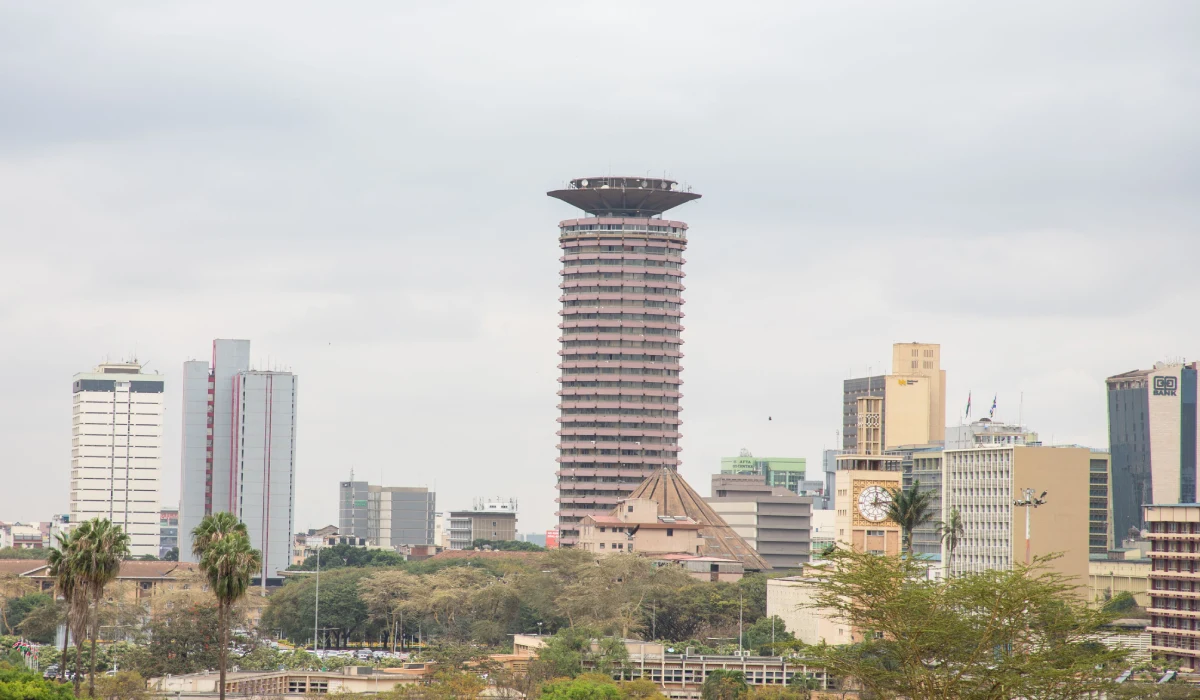
Nairobi, a spectacularly dynamic and ecologically unique metropolitan gateway situated along the high-altitude plains of south-central Kenya, offers an elite destination, seamlessly pairing thriving urban commerce with untamed wilderness.
Destination
Travel experiences in Nairobi
Popular packages
Showing 1 packages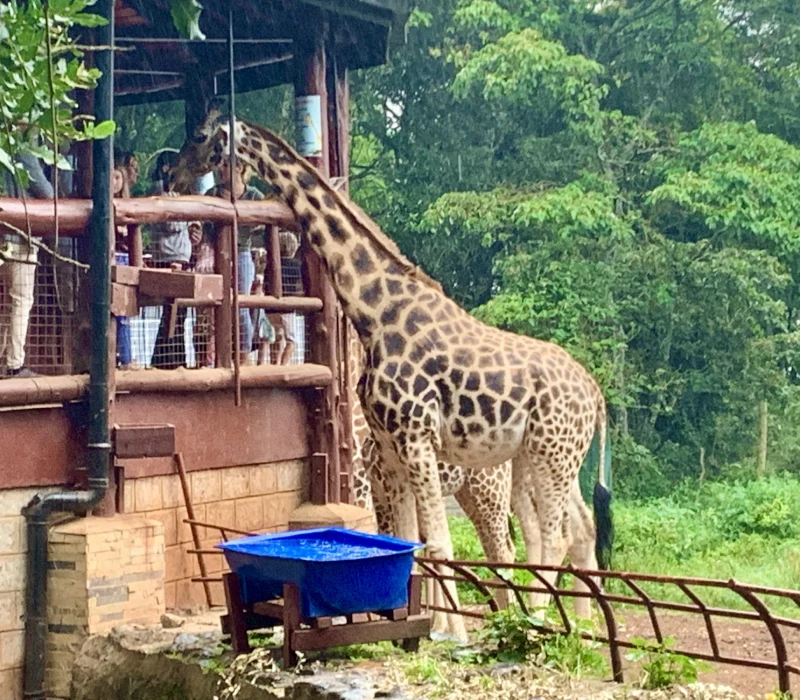 Non-resident
Nairobi Full-Day City Tour | National Park, Giraffe …
Uncover the vibrant rhythm, deep history, and untamed natural beauty of Africa’s iconic "…
from
$130All packages loaded for this destination.
Visa support for Nairobi
View all visa optionsNo published visa guidance is currently available for this destination.
Guide
About Nairobi
Sited majestically on the elevated, sun-drenched plateau of south-central Kenya, at an impressive altitude of approximately 1,795 meters above sea level, the sprawling metropolis of Nairobi stands globally as an unrivaled epicentre of technological innovation, rich multicultural heritage, and pioneering urban wildlife conservation. Originally founded in 1899 as a simple rail depot along the historic Uganda Railway line, this fast-evolving capital city effortlessly pairs its massive economic momentum with a refreshingly cool mountain atmosphere. Operating internationally as the foundational financial powerhouse of East Africa, the city functions as a vital region where pristine indigenous forests, protected rhino sanctuaries, and ancient colonial estates exist harmoniously alongside soaring glass skyscrapers, bustling international airports, and sustainable development networks.
The physical geography of Nairobi is beautifully defined by its dramatic altitudinal and ecological contrasts, transitioning rapidly from the high volcanic ridges of the Ngong Hills to the open, flat savannah grasslands of the Athi-Kapiti plains. The central ecosystem is defined by a dense network of high-altitude rivers and seasonal streams that feed the expansive urban wetlands and historical forest reserves remaining within the municipal boundaries. To protect this fragile environmental framework from the modern threats of rapid industrialization, vehicle emissions, and unplanned urban developments, regional conservation authorities enforce strict sustainability guidelines. These localized frameworks prioritize the aggressive restoration of degraded river basins, ensuring that the capital's unique microclimate and native birds stay thoroughly protected.
Beyond its busy financial districts, the city's southern border showcases unparalleled ecological milestones managed directly by the Kenya Wildlife Service. The world-renowned Nairobi National Park stands as a completely unique global marvel, representing the only fully operational game reserve situated right within the administrative boundaries of a major international capital city. Visitors exploring the dusty safari tracks can regularly observe endangered black rhinos, powerful prides of lions, and elegant cheetahs hunting freely against the striking, surreal background of distant downtown office towers. This highly protected ecosystem relies heavily on an open southern migratory corridor, which connects local wildlife populations directly to the broader savannah plains, providing a vital open-air habitat for migratory large mammalian species.
Turning toward its dedicated wildlife rehabilitation centers, the landscape reveals extraordinary conservation triumphs managed by leading international non-profit organizations. In the historic residential suburb of Karen, the Sheldrick Wildlife Trust operates a world-famous elephant orphanage that rescues and rehabilitates milk-dependent infant calves orphaned by poaching or human-wildlife conflict across Kenya's remote national parks. Just a short drive away, the African Fund for Endangered Wildlife runs the iconic Giraffe Centre, a specialized breeding facility that has successfully brought back the vulnerable Rothschild’s giraffe from the brink of extinction. These educational centers allow global travelers to interact closely with these magnificent creatures, channeling critical tourism revenue directly into long-term field wildlife conservation projects and community outreach initiatives.
Logistically, exploring the vibrant urban and wild landscapes of Nairobi is an exceptionally smooth, well-connected, and professional experience anchored by Jomo Kenyatta International Airport, the busiest aviation hub in East and Central Africa. Located just fifteen kilometers from the central business district, this international gateway provides seamless flight connections for global tourists arriving from every continent. Internal city transit is executed efficiently via modern highway networks, ride-hailing applications, and the iconic Nairobi Expressway, which minimizes transit times between key tourist zones. Accommodation choices across the capital city span a fantastic spectrum of world-class luxury, ranging from historic, colonial-era boutique hotels and opulent skyscrapers to quiet, eco-certified tented safari camps tucked into dense forest valley environments.
Sustainable environmental governance and low-impact cultural tourism remain the structural pillars of Nairobi's modern development strategy, supported actively by the National Museums of Kenya and local municipal associations. Important heritage sites, art galleries, and open-air Maasai craft markets utilize modern digital entry networks and fair-trade operational guidelines to regulate tourist foot traffic, ensuring that cultural commerce directly benefits indigenous artisans and community cooperatives. Visitors are strongly encouraged to utilize certified local guides, patronize eco-friendly culinary establishments, and support community-managed urban forestry projects like the pristine Karura Forest reserve. This forward-thinking balance of rapid urban progress, cultural appreciation, and strict environmental preservation guarantees that Nairobi’s green canopies, wild plains, and cosmopolitan energy remain perfectly safeguarded for future generations of global travelers everywhere across our shared world.
Map
Nairobi map
1.292100, 36.821900
Destination FAQs
Do international visitors need specific local permits to visit attractions within Nairobi?
Beyond the standard Kenyan Electronic Travel Authorization (eTA) required for immigration, there are no special city permits. However, primary managed locations such as Nairobi National Park, the Giraffe Centre, and the Sheldrick Wildlife Trust require individual conservation fees payable at entry via cashless digital methods.
What is the weather like, and when is the best time to visit Nairobi?
Due to its elevation, Nairobi enjoys a remarkably comfortable sub-tropical highland climate with warm days and cool evenings. The optimal visiting windows are the dry seasons from July to October and January to March, offering pristine game-viewing conditions and minimal rainfall.
Is Nairobi National Park fully enclosed, or can animals leave the reserve?
The park is fenced on three sides bordering the expanding city layout to ensure safety. The southern boundary remains completely open, forming a natural wildlife corridor connecting to the Athi-Kapiti plains, which permits animals to migrate freely according to seasonal rainfall changes patterns.
How easily can travelers navigate from the main airport to the city center?
Transit from Jomo Kenyatta International Airport is exceptionally efficient. Travelers can easily utilize pre-booked private tour vehicles, registered airport taxi services, or app-based ride-hailing services via the elevated Nairobi Expressway, bypasses, and modernized highway channels, avoiding standard inner-city peak congestion entirely.
Are digital payments and credit cards widely used across Nairobi?
Yes, Nairobi is an advanced digital financial hub where major credit cards are universally accepted at hotels, restaurants, and shopping centers. Mobile money transactions via M-Pesa are used everywhere, though carrying minor amounts of cash in Kenya Shillings (KES) is useful for open-air markets.
Why book Nairobi with us?
- Tailored itineraries: We design every itinerary with local insight and flexible travel dates.
- Trusted local teams: Our guides, transfers, and accommodation partners are selected for comfort and reliability.
- Simple planning: Get itinerary support, transport, and booking assistance from one dedicated team.